

Why We Always Have Seasol in the Ute (And Why You Should Have It at Home)
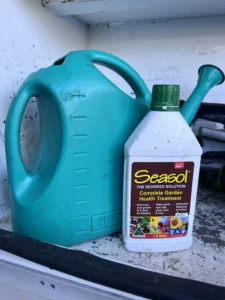
If you’ve spent any time in a garden centre or scrolled through gardening content online, you’ve probably come across Seasol. The dark brown liquid with the distinctive green lid bottle. Maybe you’ve bought it before, maybe you’ve walked past it wondering what it actually does. Either way, we’re here to tell you it’s one of the few products we genuinely swear by, and there’s a bottle in our ute every single day.
Let us explain why.
What Actually Is Seasol?
Seasol is a liquid seaweed concentrate made right here in Australia. It’s derived from a blend of three species of brown kelp: King Island Bull Kelp sourced sustainably from the shores of Tasmania and King Island, Chile Bull Kelp, and Knotted Kelp from the North Atlantic Ocean. The kelp isn’t harvested by stripping living plants. It’s collected from storm-cast material washed up on remote Southern Ocean shores, which means even the sourcing process is environmentally responsible.
The liquid contains plant nutrients, trace elements, alginic acids, and other bioactive compounds that work together to support plant health from the roots up. It stimulates strong root growth, encourages beneficial soil microorganisms, and helps plants cope with all kinds of stress including heat, drought, frost, transplant shock and pest attack. The lot.
It’s also 100% natural and non-toxic, safe to use around kids and pets, and certified organic.
But Wait, Isn’t It Just a Fertiliser?
This is probably the biggest misconception we come across, and it’s worth clearing up properly.
Seasol is not a fertiliser. It’s a plant health tonic.
Here’s a simple way to think about it. Fertiliser is food. It provides the macronutrients (nitrogen, phosphorus, potassium) that plants need to grow and put on leaf, flower and fruit. Seasol is more like a multivitamin combined with a gut health supplement. It doesn’t feed your plants directly, but it makes them stronger, more resilient, and far better at absorbing the food you do give them.
Think of it this way; you could eat all the right meals, but if your digestive system isn’t working properly, you won’t get the full benefit of any of it. Seasol essentially improves your plant’s “digestive system” by strengthening the root system and soil biology so that when you do apply fertiliser, it actually gets used.
In practical terms, Seasol has very low levels of nitrogen and phosphorus. It’s not going to push a burst of new growth. What it will do is build stronger cell walls (making plants less vulnerable to sucking insects and fungal attack), stimulate beneficial microbes in the soil, and improve the plant’s overall ability to handle stress.
So don’t choose between them. Use both. Seasol and a good fertiliser work as a team, not as substitutes for each other.
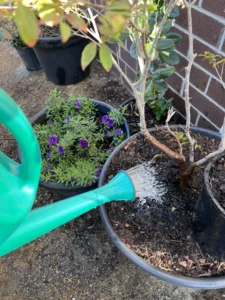
The Best Times to Use Seasol
-
- When transplanting or planting something new
This is probably where Seasol earns its keep most reliably. Any time a plant is moved or put into a new spot, it goes through a period of transplant shock. The roots are disturbed, the conditions are different, and the plant has to adjust. Applying Seasol at planting time helps reduce that shock significantly by stimulating new root growth and giving the plant a better chance of establishing quickly.
We do this every single time we plant something. It’s become second nature.
-
- When a plant is stressed, sick, or struggling
If something in your garden is looking off — yellowing leaves, wilting despite adequate water, poor growth — Seasol is often a good first response. It won’t fix underlying issues like a serious soil deficiency or a disease, but it supports the plant’s ability to cope and recover while you work out what’s going on.
-
- Before and after big weather events
Melbourne’s west can cop some pretty tough conditions: hot dry summers, cold winters, strong winds. Applying Seasol before a heatwave or cold snap helps plants build the resilience to handle it. And after a stressful weather event, it helps them recover faster.
-
- For indoor plants too!
Seasol isn’t just for the garden. If you’ve got indoor plants, it works just as well in pots. Use it when you repot a plant (transplant shock applies indoors too), when a plant looks tired or stressed, or just as a regular part of your indoor plant care routine every few weeks.
Just one note: the same rule applies indoors. Seasol doesn’t replace fertiliser for your indoor plants. Your potted plants can’t draw nutrients from surrounding soil the way garden plants can, so regular fertilising is actually more important indoors, not less. Seasol supports that process. It doesn’t replace it.
-
- As a regular maintenance treatment
Even if nothing is wrong, applying Seasol every two to four weeks through the growing season helps keep plants in good condition, supports flowering and fruiting, and builds that underlying resilience before problems have a chance to take hold.
Why We Like It from a Practical Standpoint
Beyond the plant science, Seasol just makes sense as an everyday gardening product:
-
- It’s affordable. A 1L concentrate bottle dilutes to make a huge amount of product, and you can buy it in 4L or larger. For what it does, it’s genuinely good value.
-
- It’s widely available in gardening related stores and online.
-
- It’s safe and easy to use. Mix it in a watering can, water it on. That’s it. No protective gear needed, no risk of burning your plants if you slightly misjudge the dilution.
-
- It works on everything. Lawns, natives, flowering plants, vegetables, fruit trees, hedges, indoor plants — there’s nothing you need to avoid using it on.
The Bottom Line
Seasol isn’t a miracle product and it won’t fix a plant that needs proper attention. But as part of a regular garden care routine, it’s one of the most useful and reliable things you can do for your plants, indoors and out. It strengthens roots, supports soil health, reduces stress, and makes everything you do alongside it more effective.
We’ll keep it in the ute for as long as we’re in the business.

Charlie’s Verdict: Every time the Seasol comes out, I have a good sniff. Very interesting. Very earthy. Not edible though, trust me on that one. I’ve done the research so you don’t have to. Back to supawvising. Woof.